 Opinionated Code
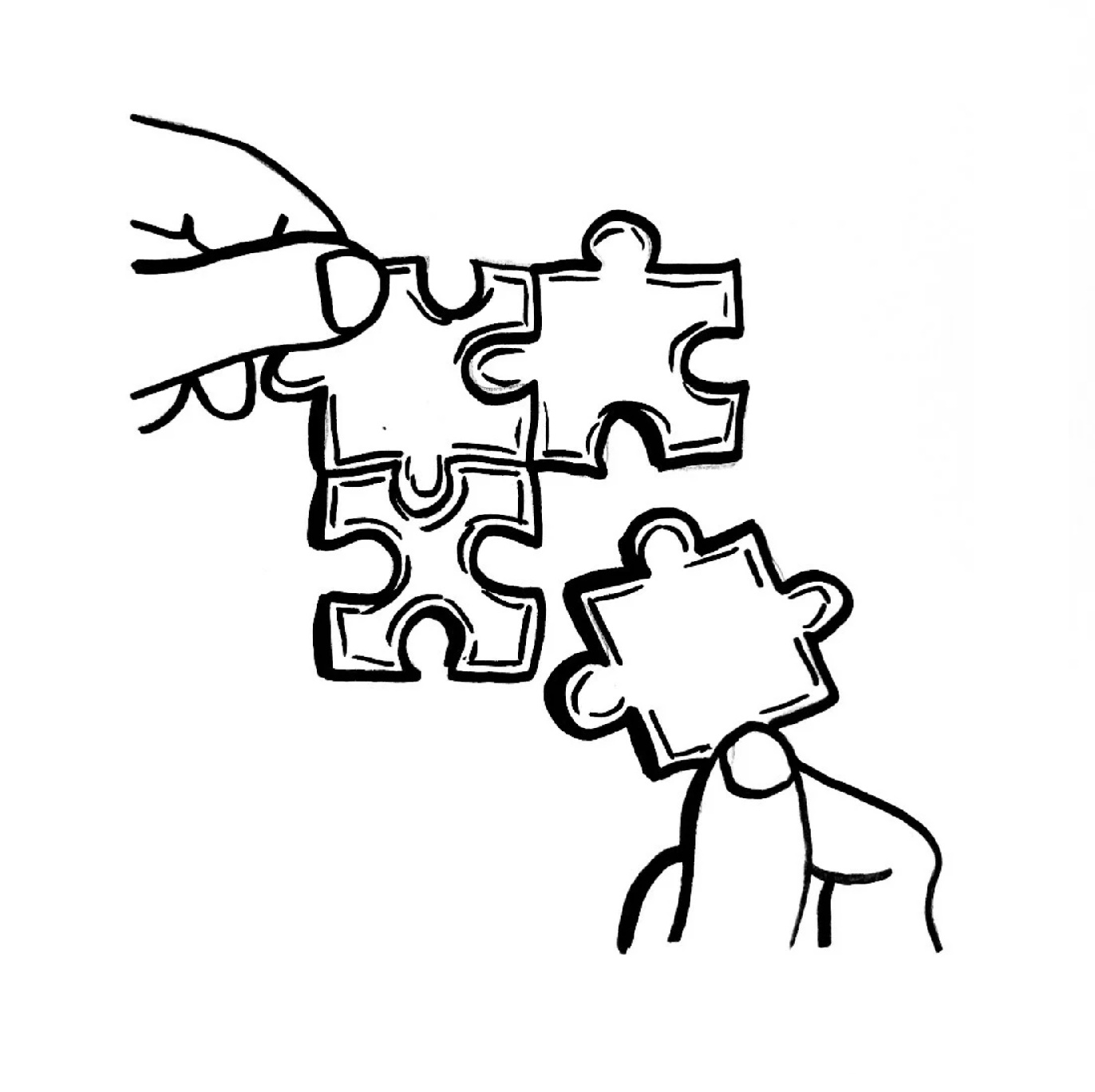
Let’s talk about that one word that makes developers twitch a little: Uniformity.
Ah yes, the dreaded U-word. The word that sounds less like the spirit of innovation and more like a cubicle farm. It’s often branded as restrictive, bureaucratic, even authoritarian. After all, aren’t we free-spirited problem solvers? Why should I, a fully grown React TypeScript artisan, be forced to use some boring Vue boilerplate? Why must I follow the team's PSR-12 standards when I’ve always written my code differently?
Here’s the kicker: because you’re not coding alone.
When it comes to real-life, collaboration-based development, uniformity is not just useful; it’s critical. It may not be glamorous, and it won’t win any cool points at tech meetups, but it will save your project, your sanity, and your future self a lot of tears.
Freedom Is Great, Until It Isn't
Imagine a team of five developers, all using different stacks, linters, directory structures, naming conventions, and even different philosophies on tabs vs spaces (cue dramatic music). Sure, each dev is comfortable, productive, and happy in their isolated little bubble. But now ask one to review someone else's PR. Or better yet, onboard a new hire. It’s suddenly less of a dev environment and more of a sociolinguistics experiment.
Uniformity doesn’t mean robotic monotony. It means shared rules of the road. In fact, it’s the very thing that unlocks team speed. A team where everyone speaks the same stack language and uses the same tools moves like a jazz band. No one’s guessing where the saxophone solo fits in. Everyone finishes each other’s… lines (yes, like Laravel teams do). There's a rhythm, a flow; synergy, if you will.
Uniformity Isn't Control, It's Consideration
The problem with resisting uniformity often boils down to ego. Developers who insist on tailoring every piece of the project to their personal preferences often couch it in the language of “craft” or “quality.” But let’s be honest: when you’re fighting the agreed-upon stack just to use your favorite testing library, that’s not craft. That’s control.
This kind of individualism, while romantic in solo side projects, becomes toxic in a team setting. Collaboration demands a shared ground. Without it, every piece of communication becomes a translation effort. Every codebase turns into a mosaic of past egos.
It’s not selfish to want to work comfortably. But it is selfish to put personal comfort ahead of the team’s cohesion.
The Laravel Effect
Let’s take Laravel as a shining example. Say what you want about it, but Laravel developers are some of the most synchronized developers you’ll meet. There’s a deeply ingrained understanding of how a Laravel project should be structured, how controllers and routes behave, how Blade templates are used, and which tools sit in the ecosystem. That uniformity isn't limiting; it's empowering. Laravel teams don't waste hours debating whether to use directory structure A or B. They just build.
Projects get delivered faster. Onboarding is smoother. And five years down the line, when you have to debug a controller written by a guy who now runs a farm in "nowhere land", you're thankful he followed the conventions.
Flex Within Boundaries
Of course, there's a dial. Uniformity isn't about enforcing the same indentation style with Orwellian precision. Naming conventions? Be flexible. Variable styles? Chill. Let your developers breathe within a defined space.
The trick is to define key pillars: the tech stack, the deployment tooling, the project structure; and stick to them. Let developers innovate inside those boundaries, not around them. Think of it like a jazz improvisation within a musical key. Harmony, not chaos.
The Loose Cannon Companies
And then there are the companies that don’t enforce uniformity. Either they believe in “developer freedom,” or they simply haven’t had to revisit their code after a few years. When they do, it’s like opening a time capsule filled with unsorted spaghetti, angry function names, and 17 types of state management.
Inconsistent projects age like milk. Uniform ones age like wine.
Uniformity isn’t about squashing creativity. It’s about channeling it. When used wisely, it becomes a superpower that amplifies collaboration, simplifies maintenance, and strengthens team velocity.
Want freedom? Have a side project. Want impact? Stack together.